Indian spices
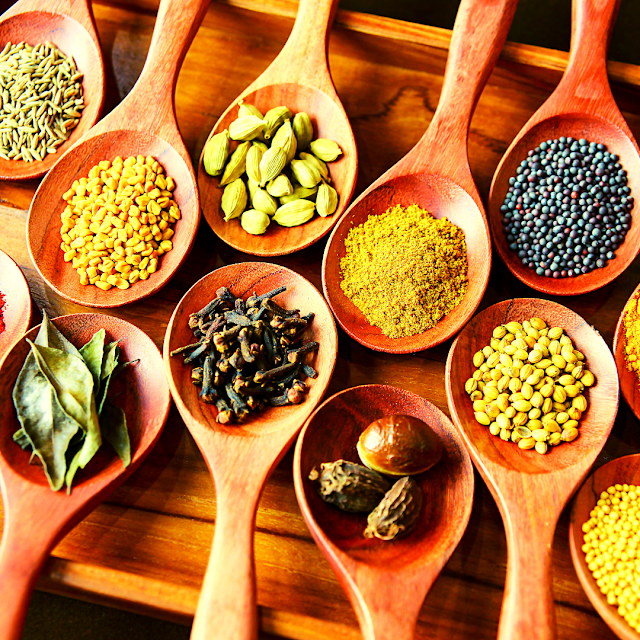
The purpose of Ayurvedic is first and foremost about maintaining a healthy life and keeping the three Doshas in balance.
benefits of Indian Spices
Did you know that Indian spices have anti-inflammatory and anti-bacterial properties, and are often high in antioxidants?
According to the traditional medicine of Ayurveda healing, an imbalance of these life energies is the cause of everyday complaints. As a result, these imbalances can even lead to diseases.
In Ayurveda, spices and herbs are therefore used as daily remedies to help to balance those energies. Most people are not even aware that many illnesses are caused by food-related complaints, and using spices, which can easily be integrated into everyday life, aids in preventing imbalances and diseases.
Cardamom
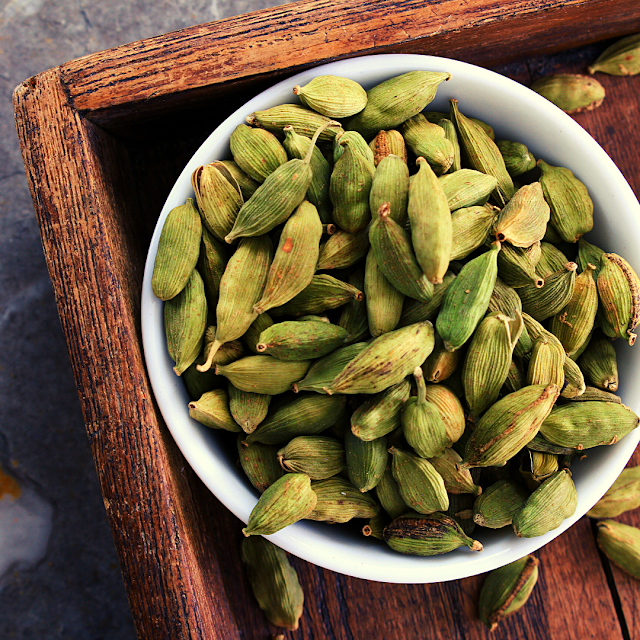
Cardamom supports all three doshas in Ayurveda, which makes it a powerful and useful Tridoshic spice. This means it should not aggravate any of the doshas. It's packed with health benefits and used in traditional Ayurveda medicine for centuries.
It is sometimes used as a mood enhancer, but this spice is most commonly used for its antibacterial effect, antispasmodic, and analgesic properties, which is a great way to help calm an upset stomach. Also, it relieves gas and flatulence.
The Benefits of Cardamom
Antioxidant and cancer-fighting properties
Anti-inflammatory effects muscle relaxant.
The antioxidants protect cells from damage and stop inflammation from occurring.
Treats bad breath and prevents cavities
Cardamom's ability to fight common mouth bacteria has long been used to freshen breath and improve oral health.
Diaphoretic that opens your pores, encouraging a mild sweat that cleanses the skin.
Aids low-grade fevers
Cleanses the lymphatic system.
Bronchodilator - helping to improve breathing in asthmatics.
Properties of Cardamom
Gunas (nature): Sattvic
Doshas: Tridoshic (even balance)
Superpower: Antispasmodic
Tastes: Pungent
Element: Air, Fire
Energy: Stimulates energy
Cinnamon

Cinnamon has an oily component and a very aromatic spice. It is very high in cinnamaldehyde, a compound believed to be responsible for most of cinnamon's powerful effects on all-around health and metabolism. It warms hands and feet, but also stimulates circulation, especially in the lungs and joints.
The main purpose of adding cinnamon to your diet can help reduce cholesterol levels, while being very high in antioxidants, with anti-inflammatory properties.
what’s so good about cinnamon
High in antioxidants.
Potent anti-inflammatory properties, which may help your body fight infections and repair tissue damage.
Helps to reduce the risk of heart disease.
Helps to clear mucus from the lungs.
Regulates blood sugar levels.
Freshens your breath.
Aphrodisiac.
Reproductive tonic: increases breastmilk and stimulates contractions during labor.
Reduce levels of total cholesterol, bad cholesterol (LDL), and triglycerides, while maintaining levels of good cholesterol (HDL)
Anti-microbial qualities also reduce gas and fermentation in the GI
Considered to stimulate circulation and heat up your digestive fire, cinnamon is the perfect spice to add to your breakfast.
Properties of Cinnamon
Gunas (nature): Sattvic
Doshas: Pacifies Vata/Kapha, aggravates Pitta
Superpower: Detoxicant
Tastes: Astringent, Pungent, Sweet
Element: Air, Fire
Energy: Stimulates energy
Coriander Seeds
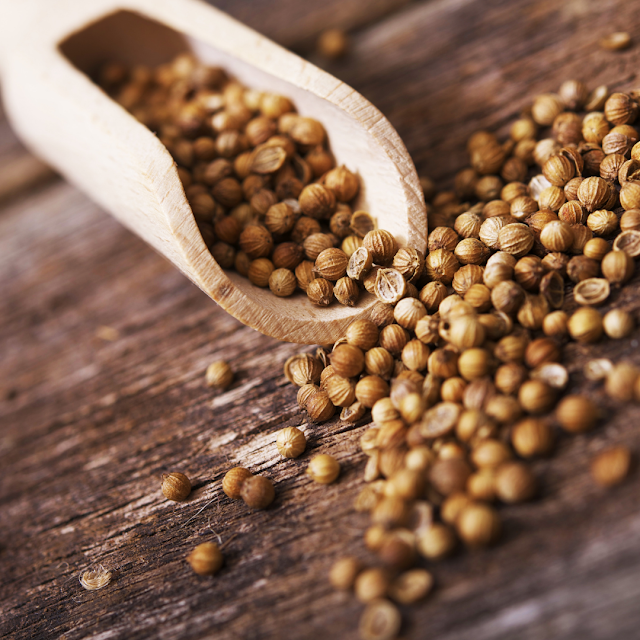
This superfood has anti-microbial and anti-fungal properties and is known to help lower blood pressure, blood sugar levels, and cholesterol levels.
Particularly useful when there is major hardening of the arteries, which eventually can cause heart disease. Atherosclerosis is caused by a buildup of plaque in the inner lining of an artery. Plaque is made up of deposits of fatty substances, cholesterol, cellular waste products, calcium, and fibrin.
Coriander seeds, extract, and oils may all help lower blood sugar levels by increasing insulin release from the beta cells of the pancreas. People with low blood sugar or those taking diabetes medication should use it with caution.
A lot of people don't like fresh coriander (cilantro) Regardless of this, coriander has a calming effect on all three doshas.
If you have headaches and colds, a tea made from coriander and ginger will help.
As the spice has a cooling effect, it is also used to relieve the feeling of inner heat during menopause and relieves inflammation in the gastrointestinal tract.
The Benefits of Coriander
You can check out my previous blog on Coriander here which lists its many properties and benefits
Coriander kills meat-spoiling bacteria and fungi and contains an antioxidant that prevents animal fats from turning rancid. These properties are used topically by Ayurvedic practitioners to prevent infection in wounds.
Improves digestion
Cooling in nature
A cold infusion of the seeds flushes heat out of the urinary system
The diuretic and digestive qualities are useful in detoxifying the blood
Coriander seed is common in anti-allergy formulas
Used as an aphrodisiac
A powder of the seeds is used for worms in children
Anti-microbial and anti-fungal properties
Helps lower blood pressure, blood sugar levels, and cholesterol levels
protects brain health
Properties of Coriander
Gunas (nature): Sattvic
Doshas: Pacifies Pitta/Kapha, aggravates Vata
Superpower: Digestive Carminative
Tastes: Bitter, Pungent
Element: Air, Ether, Fire
Energy: Stimulates energy
Cumin
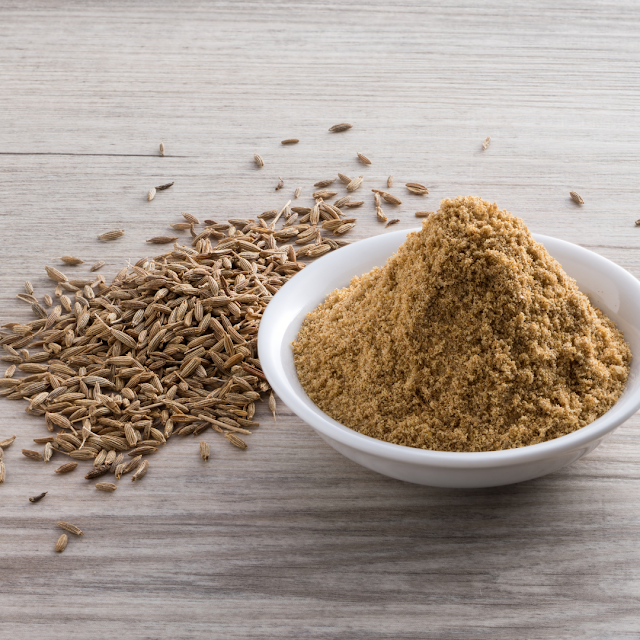
Cumin has long been used in traditional medicine and is a rich source of iron. Cumin contains compounds called flavonoids that work as antioxidants in the body. Antioxidants can help neutralize unstable particles called free radicals that cause cell damage. By neutralizing these particles, antioxidants can help prevent diseases like cancer, heart disease, and high blood pressure.
Cumin is most famously employed to warm the digestive process so food is assimilated and digested comfortably.
The Benefits of Cumin
Stimulates blood flow to digestive organs
Stimulate peristalsis, the rhythmic contractions of your digestive tract
It is rich in antioxidants, and anti-microbial and anti-inflammatory properties.
Cumin helps in reducing food-borne infections.
When added to a low-calorie diet, can help with weight loss.
Helps lower and manage blood sugar levels.
Its drying effect is useful for any dampness and excessive wetness in the body, such as mold allergies and congested lung conditions.
It absorbs fluids from the large intestine helping to bind loose stool.
Mild diuretic
Skin and blood cleanser
Muscle relaxant
Rich source of iron
Properties of Cumin
Gunas (nature): Sattvic
Doshas: Pacifies Vata/Kapha, aggravates Pitta
Superpower: Gut Buster
Tastes: Bitter, Pungent
Element: Air, Fire
Energy: Stimulates Energy
Ginger
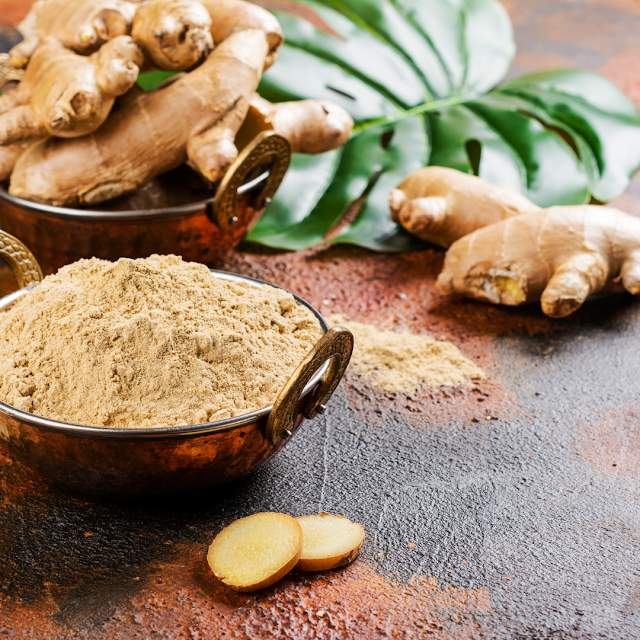
Research shows that ginger contains hundreds of compounds and metabolites, some of which may contribute to health and healing.
Dried and fresh ginger are so different that Ayurveda has a different name. How different could the two possibly be? Some of the differences are: fresh ginger root can help stop a fever, and dried ginger is very heating. Dried ginger is an extremely pungent, and a strong medicine that clears congestion by burning it away with spicy strength. Dried ginger also stokes the digestive fire, which helps those with sluggish digestion, and can act as a stimulant.
Much of ginger’s beneficial properties are attributed to gingerol, which has powerful anti-inflammatory and antioxidant effects.
Some people, however, may not enjoy the taste of ginger and may experience stomach upset.
You can read my more detailed blog about ginger root and its properties and benefits here
The Benefits of Ginger
Reduces nausea.
Reduces pain and inflammation.
Enhance digestion of food.
It is especially effective when it comes to pregnancy-related nausea such as morning sickness.
Can help with menstrual pain.
Helps with osteoarthritis.
Lowers blood sugars and improves heart health.
Properties of Ginger
Gunas: (nature): Rajasic
Doshas: Pacifies Vata/Kapha, aggravates Pitta
Superpower: Anti Arthritic
Tastes: Pungent
Element: Air, Fire
Energy: Stimulates Energy
Turmeric
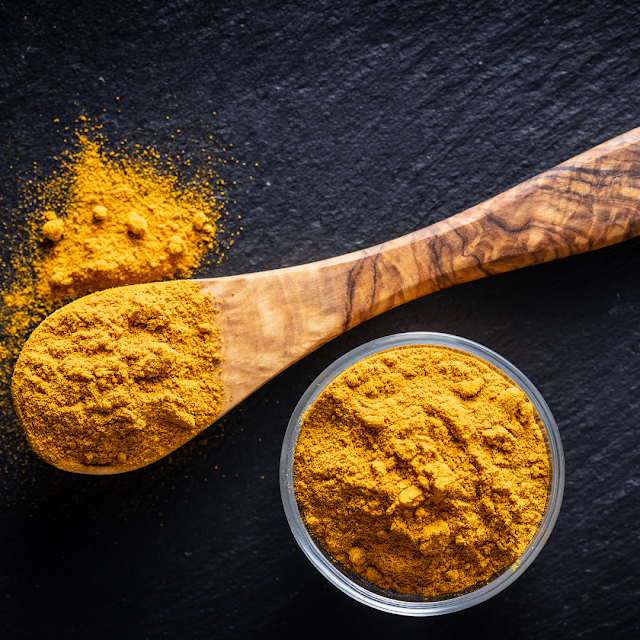
Turmeric, a relative of the ginger root, is known for its anti-inflammatory properties, and for being a flavor and color additive in curries.
It has been used in India for thousands of years as a spice and medicinal herb. Research has shown that it contains compounds with medicinal properties, the most important of which is curcumin, the main active ingredient in turmeric.
Fluoride from water and pesticides accumulates in the pineal gland more than in any other part of the body. After accumulation they form crystals, creating a hard shell called calcification. The pineal gland is not the only part of the body that can become calcified. A combination of turmeric and black pepper is a powerful combination used to help with this calcification.
Turmeric is considered a classic among Ayurveda spices and is equally suitable for all three doshas. Because of its anti-inflammatory and antibacterial effects, it plays an important role in Ayurvedic medicine. It is especially popular for the treatment of acne and eczema.
The Benefits of Turmeric
Medicinal properties that may prevent heart attacks.
Improves circulation.
Supports the liver and lymphatic systems at the same time.
Boosts brain function.
Curcumin in turmeric has a beneficial effect on levels that reverse many brain diseases and age-related decreases in brain function.
Shows benefits against depression.
Curcumin can boost brain neurotransmitters, including serotonin and dopamine.
Turmeric is also used as a dietary supplement to treat inflammation, arthritis, as well as stomach, skin, liver, and gall bladder problems.
Treats acne and eczema.
Supports the immune system., especially in fighting against the common cold.
Properties of Turmeric
Gunas: (NATURE): Sattvic
Doshas: Tridoshic (even balance)
Superpower: Gut Buster
Tastes: Astringent
Element: Air, Earth
Energy: Grounding