The best way to lose weight without counting calories
A nutrient-balanced diet is the best way to lose weight than one based on calorie counting.
This is why it's so important to know about the essential nutrients your body needs. Whatever your reason is for losing weight, don’t count calories to lose weight. I know we’ve all done it at least once only to find the weight goes back on, or we feel tired and hungry all the time.
Calorie counting can actually result in obsessive thoughts, stress, and malnutrition. While eating nutrient-dense foods can help us lose weight, get healthy, and maintain weight loss.
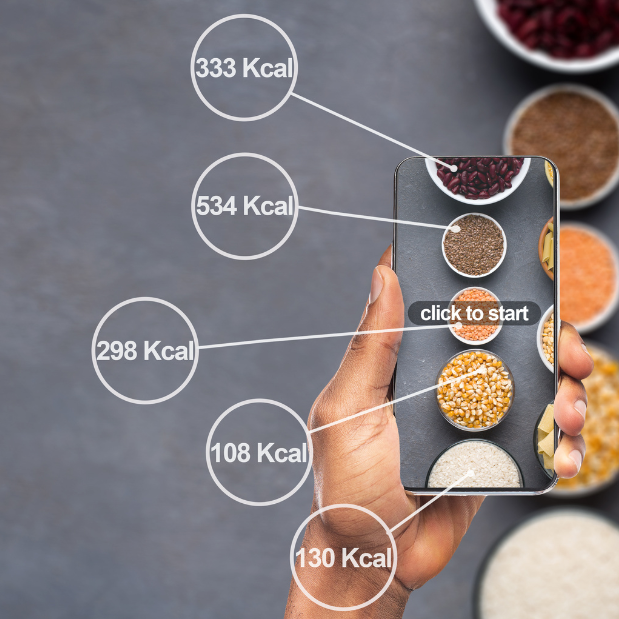
Don't count calories TO LOSE WEIGHT
The reason why you should not count calories when losing weight is that you can lose the nutritional value of foods in your diet. If you eat less, you are also depriving your body of those nutrients.
You literally can lose weight by eating more foods that are nutrient-dense.
Many studies have shown that someone on a diet high in nutrient-dense foods will consume fewer calories. This is because your body has sufficiently met its quota of macro & micro-nutrients. Your body literally knows more than you do!
A nutrient-dense diet also has a lesser impact on blood sugar levels and subsequent insulin response.
The best way to lose weight is not to focus on calorie-counting, instead focus on increasing your diet in nutrient-dense foods.
Not only does counting calories not support you to be optimally healthy and have a balanced lifestyle. It may also contribute to stress, guilt, confusion, and overwhelming feelings towards your food.
One of the best apps around is Cronometer. It has really developed over the years and is very user-friendly. A mindful note if you are using it for weight loss, is that you focus on the nutrient levels, not just the calories.
There are plenty of nutrient-rich low calorie foods available, and using Cronometer, it takes care of all the guesswork for you.
don’t skip meals and don’t overeat
Trying to find foods that are low in calories, usually means dieters will think they need to eat less. This can result in skipping meals because you decide you want to have something unhealthy that you really desire.
It’s one thing to cut calories, it’s another to feel satisfied and nourished from foods. When you restrict your caloric intake by reducing portion size or skipping snacks, you may do okay for while… until you don’t.
Maybe you have a bad day and decide to overeat and not count your calories, then find you can’t stop. Or maybe you give up because counting calories is too tedious and you would rather feel liberated with food, not burdened by it.
Both of these triggers are harmful to the body. Skipping meals can affect how you feel and react. You may feel irritable, frustrated, confused, or fatigued because your blood sugar levels have dropped.
Skipping meals can also cause your metabolism to slow down, which can cause weight gain or make it harder to lose weight.
When you skip a meal or go a long time without eating, your body goes into survival mode. This causes your cells and body to crave food which causes you to eat a lot. The cravings are usually for unhealthy foods and all attempts at eating healthy or losing weight feel unreachable.
Tips for nutrition-dense foods
Use intuitive eating as a mind-body approach to nutritional health. The goal of intuitive eating is to eat when you feel hungry and to stop eating when you feel satiety – the absence of hunger.
Nutrient-dense foods are rich in vitamins, minerals, and other nutrients important for health, without a lot of saturated fat, added sugars, and sodium.
Nutrient-dense foods are all the good stuff like fruits, vegetables, whole grains, low-fat or fat-free dairy, fish and seafood, unprocessed lean meat, eggs, peas, beans, and nuts and legumes.
Nutrient-Dense Foods for Vegans
I’m always going to vouch for a vegan lifestyle and vegans do naturally tend to eat more nutrient-dense foods. It’s becoming trendy to use a vegan diet to lose weight. That being said, if you are transitioning to vegan make sure you opt for nutrient-dense foods that are suitable for vegans (I will be posting a more detailed list shortly)
Protein-rich foods such as seitan, tofu, tempeh, edamame, lentils, Kidney, black, pinto, chickpeas, and most other varieties of beans contain high amounts of protein per serving.
Eat your dark greens such as leafy greens, watercress, kale, chard or spinach, bok choy, broccoli, and brussels sprouts.
Vegetables & Fruits are naturally low in fat. They add nutrients, flavor, and variety to your diet. Look for colorful fruits and vegetables like strawberries, cherries, oranges, blueberries, raspberries, plums, squash, carrots, sweet potatoes, turnips, and pumpkin.
Seeds are wonderful to add to any dish, even dessert. Hemp, flax, chia, sesame, they’re all great!
Need help with understanding how to beat cravings, lose weight, or transition to vegan, let’s chat. Find out more about my services here
lose weight and stay healthy
To lose weight and stay healthy, you need to focus on getting enough carbs, protein, and fat instead of just counting calories. You’ll be more energetic and stay full for longer, which in turn will help you burn fat. Remember, the ultimate intention is to lose weight without compromising your health.
nutrition tips to help you lose weight
Eating breakfast is absolutely important, but don’t rush it. Breakfast literally means Break fast. You should really not eat for a minimum of twelve hours from the previous evening to let your digestive system rest and fast.
More on breakfast: Instead, of breaking the fast too early, drink water. Most of the time your body is dehydrated which is why you are feeling hungry. Herbal teas are great to fill you up for a little longer and keep you hydrated. No milk, no sugar, and definitely nothing caffeinated. When you do eventually break the fast, opt for nutrient-dense foods.
Your lunch and dinner should also be composed of nutritious whole foods based on the three macronutrients — protein, carbohydrate, and fat. As a vegan nutritionist, I’m always going to recommend a vegan plate. (The vegan plate was created by Registered Dietitian Brenda Davis) Find out more here
If you prefer to eat more frequently, cut your meal sizes slightly and add in a couple of healthy snacks such as fruit or unsalted nuts.
Include plenty of high nutrient low calorie foods including fruits and vegetables in your diet. They are filled with nutrients, water, and fiber, taking up a lot of space in the stomach without the same amount of calories, and help you lose weight.
maximize nutrients and minimize calories to lose weight
If you are trying to lose weight, you want to maximize nutrients while reasonably minimizing calories so you can satisfy your body’s needs while still feeling joyful with the food you're eating. Restricting your calorie intake too much by eating less can spoil your health and adversely affect your health, and cause your metabolism rate to take a hit.
Ideally, you should ensure healthy eating in order to lose weight in a healthy manner.
Give your body what it deserves…Treat it like a temple!