Five essential nutrients vegans struggle to get
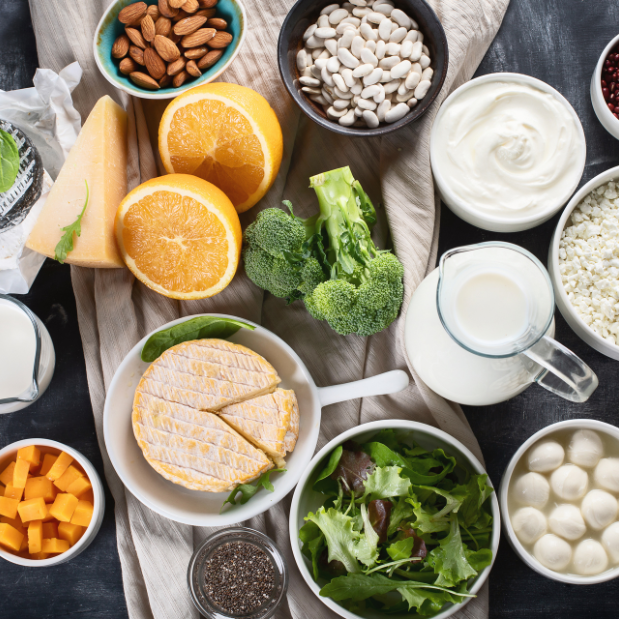
If you’re thinking of transitioning to a vegan lifestyle, you might not know but vegans can struggle to get some of the essential micronutrients vital for optimal health.
Even veteran vegans should take extra care and learn what food sources contain the essential nutrients they need to prevent deficiencies. Your health is your greatest asset, so you should do everything you can to protect it.
Pathway to optimal health
The vegan lifestyle requires careful attention. It can be hard to get enough of the vitamins and minerals that are more commonly known in animal products. However, you can get the essential nutrients you need as a vegan if you eat a balance of nutrient-dense foods that are rich in the five main nutrients vegans struggle to get below. This will help to avoid health risks, and to live in optimal health.
If you are someone trying to lose weight, take a look at my blog on nutrient-dense foods as a better way to reach your goals, than counting calories here
Focus on including the nutrients below in your diet, and use an app like cronometer to help you reach your goals. If you need encouragement or general guidance feel free to contact me for a nutrition or Ayurveda consultation or quote.
calcium
Calcium is essential for all living organisms, including humans. It is the most abundant mineral found in the body and crucial for maintaining optimal health.
We need calcium for:
Bone health
Muscle contractions
Blood clotting
Helps certain enzymes to function (without calcium these enzymes may not work as efficiently)
Smooth muscles surrounding blood vessels, which causes them to relax
Calcium plays an important role in blood clotting, helping muscles to contract, and regulating normal heart rhythms and nerve functions.
Calcium Rich Foods:
Almond milk
Other calcium-fortified milk alternatives
Broccoli
Dark leafy greens
Mustard greens
Kale
Calcium-fortified juices
Tofu
Beans
Calcium-fortified cereals
Sesame seeds
Almonds
Adults aged between 19-50 years old, and men between 51-70 years need 1000mg per day of calcium.
Woman over 51 years and men over 70 1200mg per day of calcium is recommended.
iron
Iron is one of the most important micronutrients because its needed to produce hema synthesis which is for the production of hemoglobin. The primary function of hemoglobin is to transport oxygen from the lungs to other parts of the body to maintain their functions.
There are two types of iron, heme iron only found in meat, seafood, fish, and poultry. The second is non-heme iron which is found in plant-based foods such as grains, vegetables, fruits, and beans. It’s important for vegans to keep an eye on iron levels, and eat iron-rich foods. This is because non-heme iron is harder for the body to absorb.
We need iron for:
Production of blood cells
Conversion of food to energy
Immune modulation (works to keep your immune system healthy and prevent you from getting sick)
Cognitive Benefits
Vegans should take extra care and make sure to include the following iron-rich foods daily in your diet.
Iron Rich Foods:
Soya beans
Fermented soybean products
Black beans
Tofu
Tempeh
Lentils
Chickpeas
Black-eyed peas
Green peas
White beans
Kidney beans
Tahini paste
Dark chocolate
Stewed tomato
Roasted cashew nuts
Broccoli
White rice
Bread
Whole wheat spaghetti
A potato baked with skin
Adult men and adult women over 50 years need 8mg per day of iron.
Women 18-50 years need 18mg.
Omega 3
Omega-3 refers to the essential fatty acids that play a crucial role inside your body while providing you with a number of benefits as well. The body can not produce this on its own and needs omega-3 to come from external sources.
We need omega-3 for:
Eye Health
Brain Health
Heart Health
Management of metabolic syndrome (an umbrella term to describe a number of conditions including obesity, insulin resistance, low HDL cholesterol levels, high triglycerides, and hypertension)
8 Vegan DHA and Plant-Based Omega-3 Sources
1. Algae
2. Seaweed
3. Spirulina
4. Flaxseed
5. Chia Seeds
6. Hemp Seeds
7. Walnuts
8. Brussels Sprouts
Vegans should take extra care and supplement if they can’t fulfill their daily intake of DHA & EPA omega-3s because these are generally found in fish and fish oil.
Omega-3 Rich Foods (ALA):
Flaxseed oil
Chia seeds
Pumpkin seeds
Walnuts
Edamame
Kidney beans
Soybean oil
Bread
The results vary but most organizations recommend between 250-500mg of both EPA & DHA combined on a daily basis.
vitamin b12
Vitamin B12 is produced by bacteria, not animals or plants.
Vitamin B12 complex actually comprizes of 8 different vitamins, each of which plays an important role in converting food into energy. Unfortunately, vitamin B12 is harder to get from plant-based foods. This is because vitamin B12 is naturally present in foods of animal origin, including fish, meat, poultry, eggs, and dairy products.
However, fortified breakfast cereals, fortified non-dairy milk, non-dairy spreads, and fortified nutritional yeast flakes are readily available sources of vitamin B12. These types of vitamin B12 are more easily absorbed through the gut lining than animal products. This means it passes the blood more quickly and takes less toll on the digestive system. For this reason, plant-based vitamin B12 can be beneficial for those with digestive issues like IBS or Crohn’s Disease.
Vitamin B complex is composed of the following B vitamins:
B1 (thiamine)
B2 (riboflavin)
B3 (niacin)
B5 (pantothenic acid)
B6 (pyridoxine)
B7 (biotin)
B9 (folic acid)
B12 (cobalamin)
We need vitamin B12 for:
Prevention of migraine
Anxiety and depression management
Skin healing
Treatment of canker sores (oral ulcers)
Controlling PMS
Prevention of Pernicious Anaemia (decreases overall health and function)
Testosterone optimization
It’s not just vegans who are low in vitamin B-12!
Vitamin B12 Rich Foods:
Nutritional Yeast
Marmite + Yeast Spreads
Fortified Soy + Almond Milk
Plant-Based Meats
Wholegrains (oats, wholemeal bread, wholewheat pasta, brown rice)
Tempeh
Chlorella
Nori Seaweed
Cremini Mushrooms
Acorn squash
Sesame seeds
Tahini
Quinoa
Avocado
Almonds
Wild rice
Muesli and fortified breakfast cereals
The recommended daily amount of vitamin B-12 for adults is 2.4 mcg. Note if taking supplements you need at least 10mcg
zinc
Zinc is an essential micronutrient for human metabolism that catalyzes more than 100 enzymes, facilitates protein folding, and helps regulate gene expression. Patients with malnutrition, alcoholism, inflammatory bowel disease, and malabsorption syndromes are at an increased risk of zinc deficiency
Zinc is a mineral that can be challenging to consume and absorb in adequate amounts from vegan food sources. Plants contain zinc, but in smaller amounts compared to animal products. Zinc is also more challenging to absorb from plant-based foods.
We need zinc for:
Metabolism of protein, fat, and carbs
Zinc is an important nutrient for the functioning of the immune system
Healthy red blood cells (it’s needed to help make hemaglobin)
Zinc helps fight oxidation
Proper cell division and growth in children
Sexual maturation of men
Zinc is a major player in the creation of DNA, growth of cells, building proteins, healing damaged tissue, and supporting a healthy immune system.
Zinc Rich Foods:
Soybeans
Soy milk
Almond Milk
Plant-Based Meats
Oats & fortified breakfast cereals
Nuts
Seeds
Mushrooms
Chickpeas
Lentils
Black-eyed peas
Split peas
Wheat germ
The recommended daily intake of zinc is 11 mg/ day for males over 18 years, and 8 mg/ day for females over 18 years.
If transitioning to a vegan diet seems overwhelming consider a nutritionist like myself who can help you with a simple plan and ongoing support. Take a look at my services here