18 Nutrient-dense foods for vegans
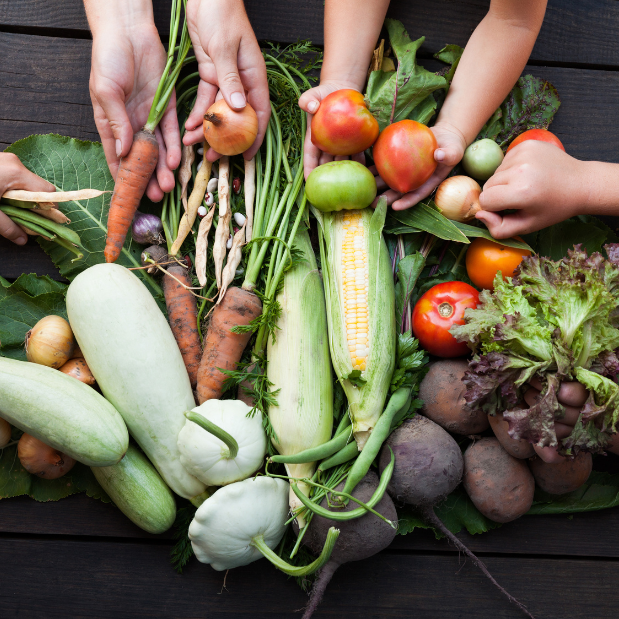
Foods that have a high volume of nutrients but are relatively low in calories are what are called nutrient-dense foods because they contain vitamins, minerals, complex carbohydrates, lean protein, and healthy fats.
what are nutrient-dense vegan foods?
A healthy vegan diet naturally encourages you to eat nutrient-dense foods. Examples of nutrient-dense foods for vegans include fruits and vegetables, whole grains, vegan alternative milk and dairy products, protein-based food, peas, beans, and nuts.
Choose nutrient-dense foods to maintain health
The following list is a guide and examples of nutrient-dense foods to start adding to your diet with an intention to make these part of your lifestyle.
Read about eating more nutrient-dense foods vs calorie counting to lose weight here
18 nutrient-dense foods to ADD TO YOUR DIET
Spirulina: The concentration of protein, minerals, vitamins, and phytonutrients. It literally is the most nutrient-dense food on the planet. This unusual green algae naturally grows in alkaline lake water in warm regions like Mexico, where it has been nourishing locals for over 5,000 years. Adding it to a green smoothie or green soup can give you a huge energy boost for the day.
Quinoa: Quinoa may taste and act like a grain, it contains complete proteins, containing all nine essential amino acids. Quinoa is also high in fiber, antioxidants, essential vitamins, and minerals such as thiamin, vitamin B6, iron, manganese, magnesium, and phosphorus. This grain can be used as a replacement for rice and can be one of your main plant-based staples.
Leafy greens: Leafy green vegetables — including kale, collard greens, spinach, bok choy, and Swiss chard are rich in calcium, a necessary nutrient that is often lacking in people on a plant-based diet. They are also very low in calories, and so versatile, that you can enjoy them cooked or raw.
Tofu: is a good plant-based source of protein and iron, and it contains all nine essential amino acids. Made from soy milk, has many varieties, including extra firm, firm, and silken, and can be substituted for just about any meat. This makes it a great addition for new vegans transitioning, or to those trying to reduce their red meat intake.
Avocado: Avocados are one of the best foods for plant-based converts, Not only do avos (as we call them in Australia) add flavor to any meal, but they are also incredibly nutrient-dense, supplying fiber, monounsaturated fats, and vitamins and minerals such as folate, vitamins E and K, potassium, riboflavin, and copper.
Nutritional yeast: Sprinkling nutritional yeast on pasta salads, rice, soup, roasted veggies, and even popcorn, is a great way addition to your daily nutrition. Nutritional yeast is packed with 2 to 3 grams of protein, plus minerals like iron. Buy fortified nutritional yeast to get your vitamin B12.”
Nuts and seeds: Aside from being an excellent source of plant-based protein, nuts also deliver fiber, antioxidants, fatty acids, and disease-fighting properties. Regular nut consumption has been shown to decrease the risk of certain chronic diseases, such as cardiovascular disease, obesity, diabetes, and cancer.
Fermented foods: Fermented foods — such as tempeh, kombucha, coconut kefir, and kimchi — contain natural probiotics. They support a healthy gut microbiome which supports digestive health, brain health, and immune function. Consider consuming probiotics from food sources or from supplements to get the gut-healing benefits.
Beans: Beans are an accessible source of plant-based protein that can be the base of any plant-based meal. Beans, such as kidney beans, garbanzo, pinto, and black, also offer fiber and other nutrients. Research suggests that people who regularly eat pulses are less likely to be obese than people who don’t eat them. If you are adding beans to your diet, be mindful that your body will need to adjust and handle the initial increase in fiber.
Lentils: come in multiple varieties, from brown, which hold their shape in stews to red, which turn mushy and shine in dahls. They are high in protein and a good source of B vitamins, iron, and fiber, which supports the growth of healthy gut bacteria.
Veggie pasta: Swapping out wheat-based pasta for noodles made with sweet potatoes, zucchini or squash is a great way to increase your veggie consumption and a satisfying replacement meal.
Rice Noodles: Made from just rice flour and water, rice noodles are varied, versatile, and affordable. Rice noodles are a good low-fat source of carbohydrates and they contain trace amounts of manganese and selenium. Rice noodles are popular from stir-fries to soups and chilled noodle dishes.
Ezekial Bread: Ezekiel bread is about as nutrient-dense as bread gets. It’s a type of sprouted bread, made from a variety of whole grains and legumes that have started germinating (sprouting). Compared to white bread, which is made of refined wheat flour, Ezekiel bread is much richer in nutrients and fiber.
Plant-Based Milk: Include soy milk if you can as it is rich in protein, and the fortified ones have vitamin D and calcium too. Any other vegan milk will do, just try to find fortified brands. Add to cereals, coffee, baked goods, sauces, and smoothies.
Popcorn: When cooked on the stovetop or an air-popper, popcorn is a good low-fat snack. It is low-calorie and a good source of dietary fiber.
Fruit: Fruit is a great way to increase your nutrient-dense food intake because they are rich in fiber, vitamins, minerals, and antioxidants. However, certain types of fruit contain more sugar and calories than others. Furthermore, some fruits can cause side effects for people with health conditions such as diabetes and acid reflux. These fruits can still be enjoyed but in smaller serving sizes. Some sweet fruits to be mindful of are dates, bananas, papaya, and mangos. Also, eat melons on an empty stomach and away from other foods, due to their quick digestion time.
Vegetables: It’s no secret that vegetables — which are loaded with fiber, vitamins, minerals, and antioxidants — are a must-have in a healthy diet. They’re also filling, flavorful, and perfect for a variety of dishes, such as salads, soups, smoothies, and sandwiches. Even piling the veggies onto a pizza can be delicious and fun. Some of the most nutrient-dense vegetables are broccoli, brussels sprouts, green peas, beets, asparagus, cabbage, sweet potatoes, carrot, and cauliflower.
Fortified Cereals: Fortified foods contain added vitamins and minerals that aren’t naturally present in them. Fortification is meant to improve people’s levels of particular nutrients. Cereal is one of the most commonly fortified foods, containing vitamin A, B, D, folic acid, zinc, iron, and calcium.
Green and red fruit and veggies help to increase oxygen to the blood