ayurveda medicine cupboard essentials
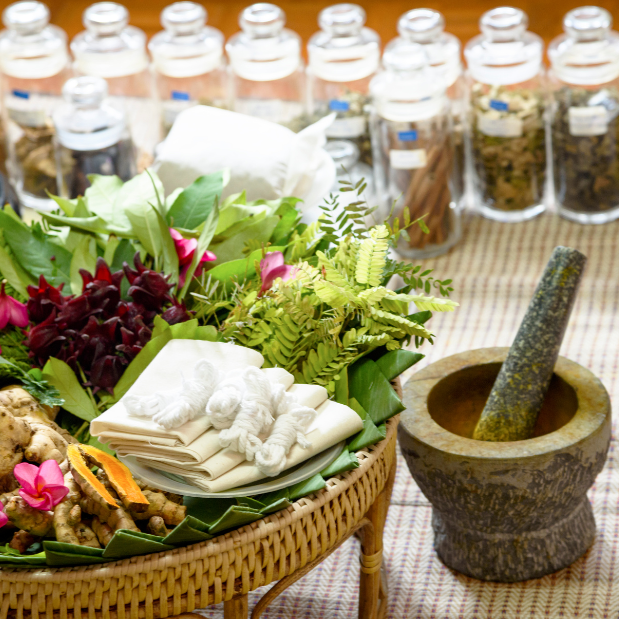
The purpose of Ayurvedic is first and foremost about maintaining a healthy life and keeping the three Doshas in balance.
6 foods you should have in your medicine cABINET
Our first reaction when we start to get sick is to run to the doctors, or pharmacy, and treat the symptoms, without understanding or curing the cause.
The answer to all our medical problems is to run to the doctors. Of course, that’s perfectly normal if your condition is serious. The thing is a lot of the time we wait until our symptoms are so bad that we have no option but to go to a doctor and get antibiotics. Usually, that something could have easily been treated with a prevention method, vs modern western medicine, which only treats the symptoms of the condition.
Ayurveda is completely based on getting to the root of the problem, and that’s why more and more people are turning to Ayurveda and other holistic medicines to treat themselves
Prevent Illness
What if I told you that the moment you feel symptoms you could prevent minor illnesses by applying some simple Ayurveda techniques using the foods you already have in your pantry?
Wouldnt that be wonderful? And less expensive too!
According to the traditional medicine of Ayurveda healing, an imbalance of our life energies is the cause of everyday complaints. As a result, these imbalances can even lead to diseases.
Indian spices have anti-inflammatory and anti-bacterial properties and are often high in antioxidants. Simply understanding the medicinal properties of the food you eat and cook, can prevent, or at least reduce, many diseases or illnesses. Find out more about Indian Spices here
In Ayurveda, using daily remedies helps to balance our body energies, preventing imbalances and diseases. Also, most people are unaware that food-related complaints can cause many illnesses.
Essential Healing Ingredients
Long before western medicine we relied on our environment to provide us with holistic medicine, all fueled and provided by plants.
Green plants not only provide the most fundamental nutrition for all life. The oxygen we get from the air we breathe is vital to survival.
Other household ingredients that come from plants also provide us with a treasure chest of healing qualities. Let’s take a look at some foods you should always have handy in your cupboard.
turmeric
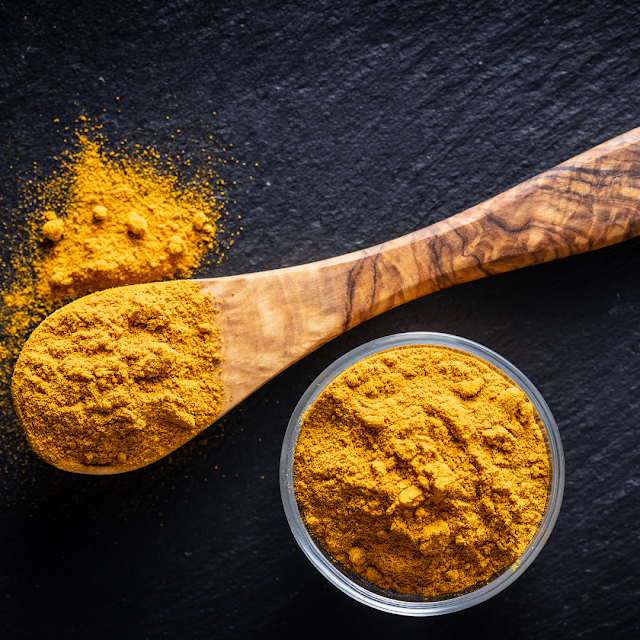
Freshly grounded Turmeric
how to use Turmeric
Turmeric, a relative of the ginger root, is known for its anti-inflammatory properties. Research has shown that it contains compounds with medicinal values, the most important of which is curcumin, the main active ingredient in turmeric.
Turmeric is considered a classic among Ayurveda spices and is equally suitable for all three doshas. Because of its anti-inflammatory and antibacterial effects, it plays an important role in Ayurvedic medicine. It is especially popular for the treatment of acne and eczema.
Heart Health: use to improve circulation.
Anti-inflammatory: use to treat inflammation, arthritis, as well as stomach, skin, liver, and gall bladder problems. As well as acne and eczema.
Metabolism: use to boost metabolism, weight loss, and detoxifier.
Immunity: use for allergies, skin problems, and the common cold.
Digestive: use for gut health, and diabetes.
Brain: use to increase brain function, and fight depression, as well as reverse many brain diseases and age-related decreases in brain function. Also boosts brain neurotransmitters, including serotonin and dopamine.
Lymphatic: use to support the liver and lymphatic systems.
Burns: use with aloe vera or coconut oil to help to heal burns and scars.
Aloe Vera
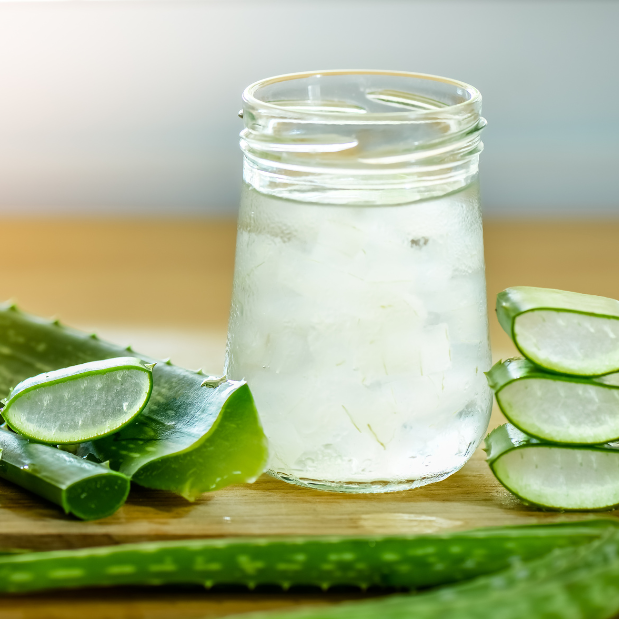
Homemade Aloe Vera Gel
how to use Aloe Vera
Aloe Vera is beneficial for all skin problems. From fresh stretch marks, boils, blisters, bleeding wounds, fungal infections, eczema, and insect bites, to being a sunburn aid. Its cooling and calming nature help to reduce redness.
Ancient Ayurvedic texts describe that Aloe Vera has blood-purifying, toxin-releasing actions and is used as a powerful anti-wrinkle remedy.
According to ancient Ayurvedic wisdom, the reason your hair goes gray and falls out prematurely is due to excess heat. When you eat very spicy foods and do activities like sunbathing, saunas, and heavy exercise, the heat in your body increases. This can lead to hair fall and graying. The cooling and sticky attributes of aloe vera can help your hair to stay in place, with its natural color intact.
Aloe Vera can be eaten or added to a juice. It does have a very bitter taste though, so most don’t like to consume it this way. However, it is a rejuvenating herb and part of a special class of Ayurvedic herbs known as rasayana.
Rasayana herbs are anti-aging, immune system-building, and healing agents that help protect your body from the natural wear and tear of everyday life and stress.
Anti-inflammatory: use to treat skin-related inflammation such as sunburn, stretch marks, boils, blisters, bleeding wounds, fungal infections, eczema, and insect bites.
Digestion: use for laxative effects such as constipation. Aloe has the property of cooling, making it particularly beneficial for those suffering from painful, burning hemorrhoids. Fresh aloe pulp can be applied externally to hemorrhoids and left on for 30 to 60 minutes to provide relief.
Womens Health: use for irregular menstrual cycles, hot flashes during menopause, mastitis, and tenderness of breasts. Its gel can be applied directly to the breasts or abdomen to give relief.
Aphrodisiac: use for fertility-enhancing, ovulation, and as an aphrodisiac.
cOCONUT OIL
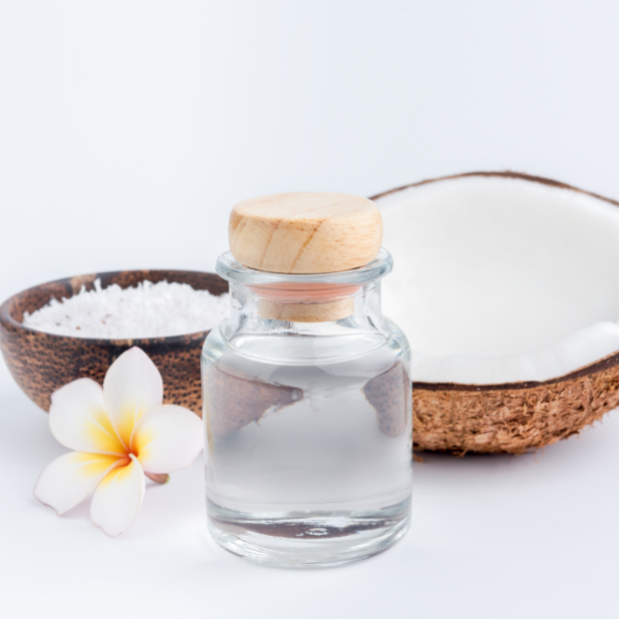
Homemade Coconut Oil
HOW TO USE Coconut Oil
Coconut oil is sweet and cooling, it is also anti-inflammatory This oil soothes an aggravated nervous system, boosts energy, and calms an agitated mind.
According to Ayurveda, applying coconut oil to the skin helps in wound healing and manages scars, blemishes, eczema, psoriasis, etc
It is full of nutrients like calcium, magnesium, sodium, potassium, vitamin C, etc.
Anti-Inflammatory: use to relieve the feeling of inner heat during menopause and relieves inflammation in the gastrointestinal tract, due to its cooling effect.
Anti-microbial: use for skin health, as many types of skin infections, including acne, cellulitis, folliculitis, and athlete's foot, are caused by bacteria or fungi. Coconut oil manages skin problems like dryness, itchiness, scars, etc. as it is rich in vitamin E.
Anti-fungal: use for numerous hair benefits. It also promotes hair growth and prevents dandruff due to its antifungal property.
Coconut oil is a fatty oil derived from the flesh of the coconut fruit. The oil is said to have many health benefits, such as aiding digestion and helping to balance your hormones. It's also thought to have antibacterial properties, which may make it an effective treatment for yeast infections.
GARLIC
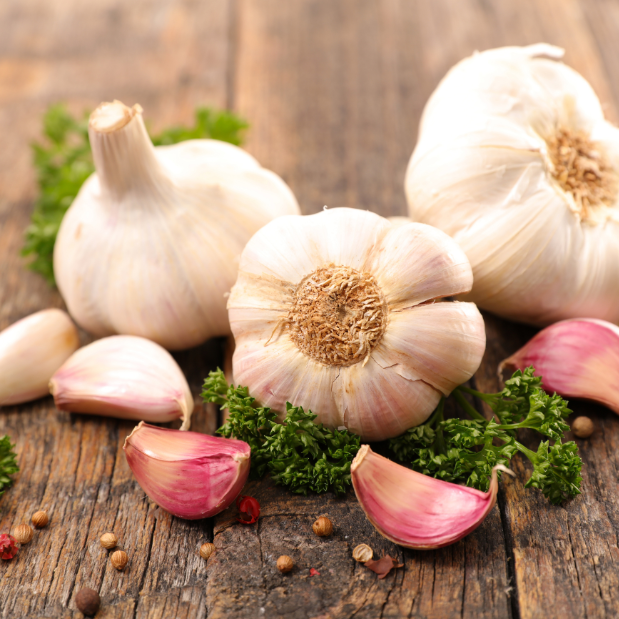
HOW TO USE Garlic
Perhaps garlic’s most well-known action is that of an antimicrobial, acting on viruses, bacteria, and parasites, especially in the gastrointestinal system. Other uses for garlic may not be as well known such as reducing cholesterol levels, reducing existing plaque, lowering blood pressure, anti-cancer effects, as well as blood sugar-lowering effects. Also useful for diabetics.
Consume by chopping into small pieces and swallowing without chewing. You can also buy garlic tablets.
Anti-microbial: use for viruses, bacteria, and parasites, especially in the gastrointestinal system.
Respiratory: use for infections of the lungs, bronchi, and upper respiratory system.
Antibiotic: use for colds and influenza, ear infections, and sinus infections.
Anti-fungal: use topically for things like ringworm, or recurrent thrush, as it is known to inhibit germination of fungal spores and growth of fungus.
Ginger
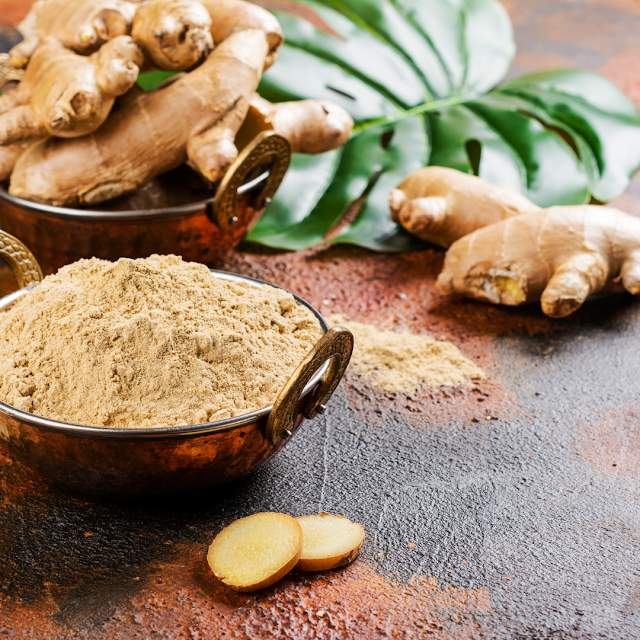
Freshly grounded ginger
HOW TO USE ginger
Research shows that ginger contains hundreds of compounds and metabolites, some of which may contribute to health and healing.
Fresh ginger root can help stop a fever, and dried ginger is very heating. Dried ginger is an extremely pungent, and a strong medicine that clears congestion by burning it away with spicy strength. Dried ginger also stokes the digestive fire, which helps those with sluggish digestion, and can act as a stimulant.
Ginger is best known as an aid to digestion. It helps with vomiting, relieves gas and diarrhea pain, and helps soothe indigestion.
It fights motion sickness more effectively than store-bought motion sickness pills. It also works as a natural pain reliever, has antibiotic and anti-inflammatory properties (can be used with fevers and relieve arthritis, as it works on many of the same mechanisms as NSAIDs like ibuprofen), and lowers the bad type of cholesterol.
Consume in juice, soup, or you can chew or suck on a piece of ginger.
Digestion: use for detoxing and rejuvenation, poor digestion, and nausea.
Respiratory: use to reduce and relieve mucous, coughs, and colds.
Anti-Inflammatory: use to relieve arthritis, joint pain, and inflammation.
Additionally: use for clarifying the mind, menstrual pain, and osteoarthritis, also lowers blood sugars and improves heart health.
You can read my more detailed blog about ginger root and its properties and benefits here
Cloves
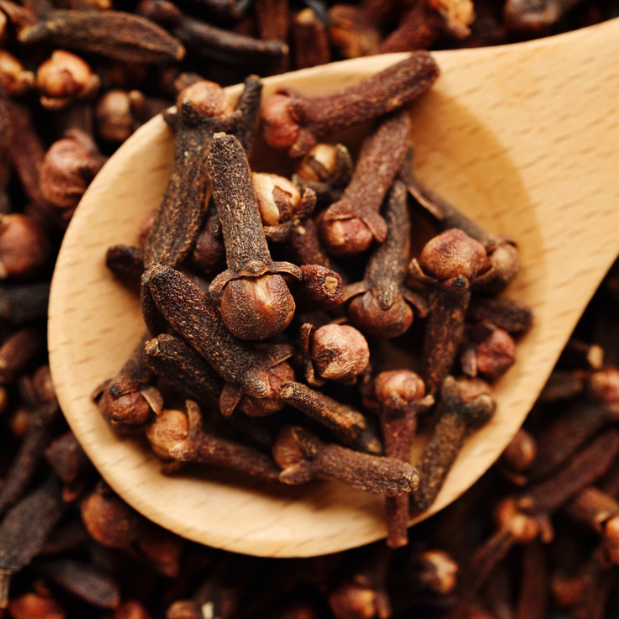
Cloves
HOW TO USE Cloves
In Ayurveda, cloves are considered to enhance circulation, digestion, and metabolism and help counter stomach disorders such as gas, bloating, and nausea. The essential oil of clove is used as an ingredient in oral hygiene products to promote tooth health and freshen the breath.
For thousands of years, it has been used to help treat cough, colds, nausea, fever, infection, general toxicity, and so much more. In spite of its spicy taste, clove is said to be cooling by ancient texts.
Digestion: use for weak digestion, flatulence and gas, nausea, dull appetite, morning sickness, toxin and parasite remover, Candida and other fungal, viral or bacterial infections. poor digestion, and nausea.
Respiratory: use to reduce and relieve mucous, coughs, and colds. As well as sore throat, asthma, laryngitis, and bronchitis.
Anti-Inflammatory: use to relieve arthritis, joint pain, and inflammation.
Additionally: use for low libido, menstrual cramps, impotence, premature ejaculation, and lower back pain, sciatica, depression, and anxiety.